Menu
The Best Seasons for Pouring Concrete in Kirkland
Pouring Concrete Kirkland
The successful installation of a strong, durable, and lasting concrete structure (such as a foundation, driveway, or patio) depends heavily upon the environmental conditions in which it is poured. Concrete is an item that has very specific temperature and moisture requirements to properly “cure” and achieve its desired strength. The unique seasonal weather patterns experienced in the Pacific Northwest, where Kirkland is located, create a variety of issues for any contractor attempting to pour concrete. Knowing the best time to schedule a project will have a large impact on the overall quality and longevity of the completed job.
Concrete Curing & Temperature
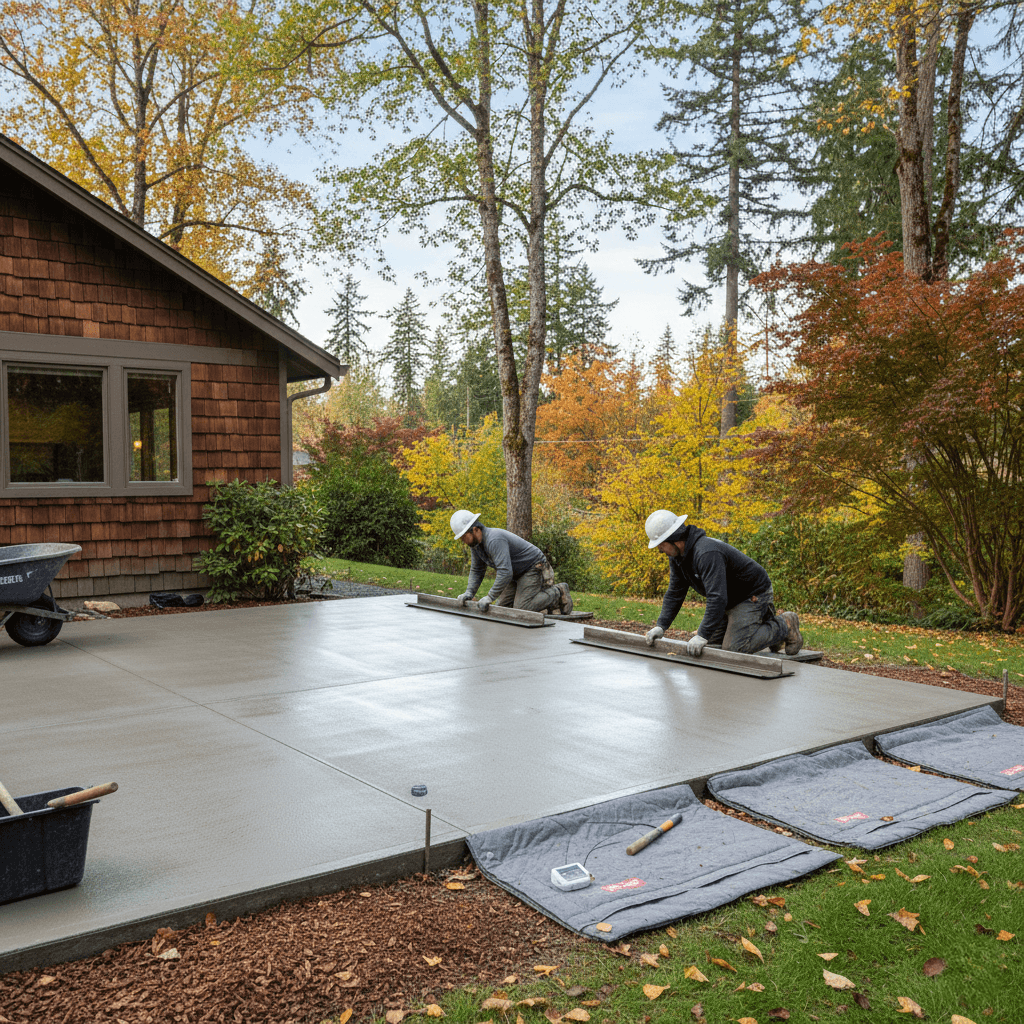
Hydration is a chemical reaction that occurs in all types of concrete, and this reaction is very temperature-dependent. If the temperature of the concrete is too low, the hydration reaction will slow dramatically, and the strength of the concrete will be greatly reduced. Conversely, if the temperature is too high, the concrete can dry too rapidly, causing surface cracks and reducing the durability of the concrete. Thus, the ideal temperature range for curing concrete in Kirkland is between 50° F – 75° F. Moisture also plays an important role in the hydration process. Water is necessary for the hydration reaction to occur, but too much water, such as from heavy rain, can dilute the surface layer of the concrete, thus weakening the top layer of the concrete.
Ideal Time to Pour Concrete: Transitional Seasons
Late Spring (May & Early June) and Early Fall (Early September & October) typically represent the ideal transition times to pour concrete in the Kirkland area. During these transitional periods, the daytime temperatures typically remain within the ideal curing range, and the risk of a hard freeze is relatively low. Additionally, the moisture levels are typically manageable, and the risk of over-saturation is minimized, thereby providing optimal control of the curing environment. As a result, scheduling your project during one of these transitional seasons maximizes the chances of achieving a perfectly cured, smooth finish for your new concrete patio.
Challenges of Pouring Concrete in Hot Weather
Summer provides the driest conditions; however, the increased heat and rapid moisture loss create additional challenges for contractors. A hot, sunny day, especially during a Puget Sound heat wave, creates a condition where the surface of the concrete dries and sets faster than the inside of the concrete. The difference in drying rates creates stress, and as a result, causes plastic shrinkage cracking – small surface cracks that appear prior to the concrete reaching full hardness. In order to address the challenges of working in hot weather conditions, contractors must work efficiently, utilize products such as ice in the mix, and implement an aggressive curing regimen. This may include utilizing curing compounds or frequently misting the surface of the concrete to maintain a consistent level of moisture and cooling. This maintains uniformity of the hydration process.
Challenges of Pouring Concrete in Rainy Weather, WA
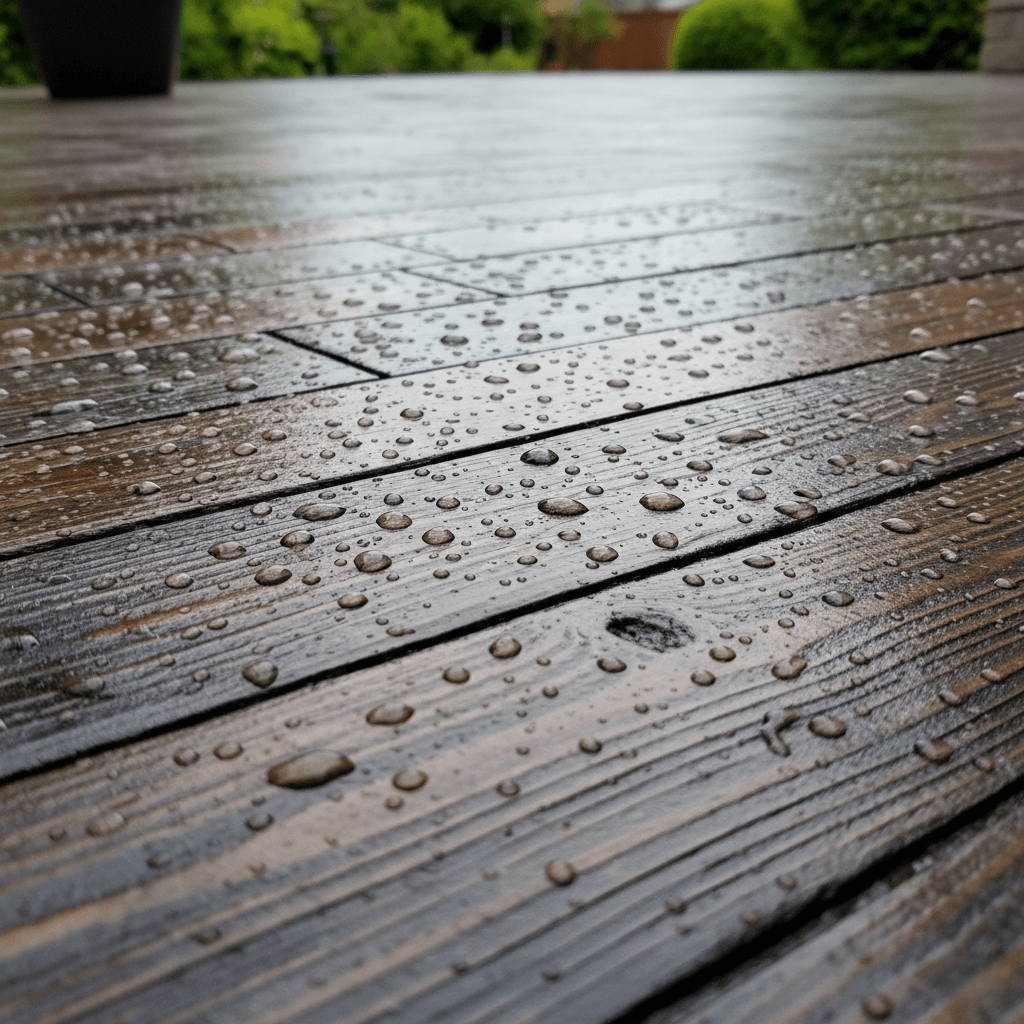
Rain is always a concern in Western Washington, and while drizzle is normally not a problem, prolonged heavy rain is detrimental to newly placed concrete. Excessive water added to the mix compromises the water-to-cement ratio and reduces the surface integrity of the concrete. Additionally, heavy rain can wash away the cement paste from the surface of the concrete, exposing the aggregate underneath. As a result, pouring concrete in rainy weather in the State of Washington requires either the use of temporary enclosures to protect the newly placed slab or timely coordination to avoid inclement weather. Proper planning includes monitoring the weather forecasts and being prepared to protect the newly placed concrete slab from unforeseen rain events.
Challenges of Pouring Concrete in Cold Weather
Winter concrete placement in Kirkland represents the greatest obstacle: freezing temperatures. Freezing concrete before it develops sufficient strength (typically around 500 psi) results in destructive ice crystals forming internally within the concrete structure, ultimately producing a weak and crumbly product. For this reason, most contractors do not perform general concrete placements during the coldest months (Dec – Feb). However, when construction cannot wait, special procedures are implemented. Specialized procedures include adding chemical accelerants to the mix, covering the slab with insulated blankets, and sometimes using external heating sources to maintain the temperature of the concrete above 50° F for the first 72 hours. Implementing these strategies greatly extends the time and costs associated with completing the project.
Tips for Curing Concrete in Cold Weather
In addition to maintaining the temperature of the concrete above 50° F for 3–7 days after placement, insulated blankets are a critical component for maintaining the generated heat of the hydration process. In addition, mixing lower water-to-cement ratios and utilizing specialized mixes that develop greater strength in colder temperatures are recommended. Although cold ambient temperatures create numerous problems for curing concrete, these recommendations help ensure the newly placed concrete remains free from damage due to frost and ice.
Ultimately, the success of installing any durable concrete structure is directly related to the contractor’s ability to manage their local climate. While the transitional seasons of spring and fall provide the most favorable natural conditions, experienced contractors can minimize the hazards associated with both hot summer temperatures and cold winter temperatures through adequate planning and the implementation of specialized procedures. By understanding the science of curing, you can determine the most beneficial time to schedule your project to maximize the potential for a successful outcome. At Kirkland Concrete Concepts, we have years of experience dealing with the specific weather characteristics of the Puget Sound Region, including St. Thomas Center, and can ensure the highest quality results in every season. We provide expert advice and execution for pouring concrete in every season to achieve maximum strength and durability.
LATEST POSTS
Functional, Lakeside-Inspired Walkway Designs for Kirkland
December 17, 2025
No Comments
Cutting-Edge Foundation Repair Techniques for Kirkland Homes
December 15, 2025
No Comments